
Teeth Whitening Santa Maria CA: Expert Tips for a Brighter, Healthier Smile
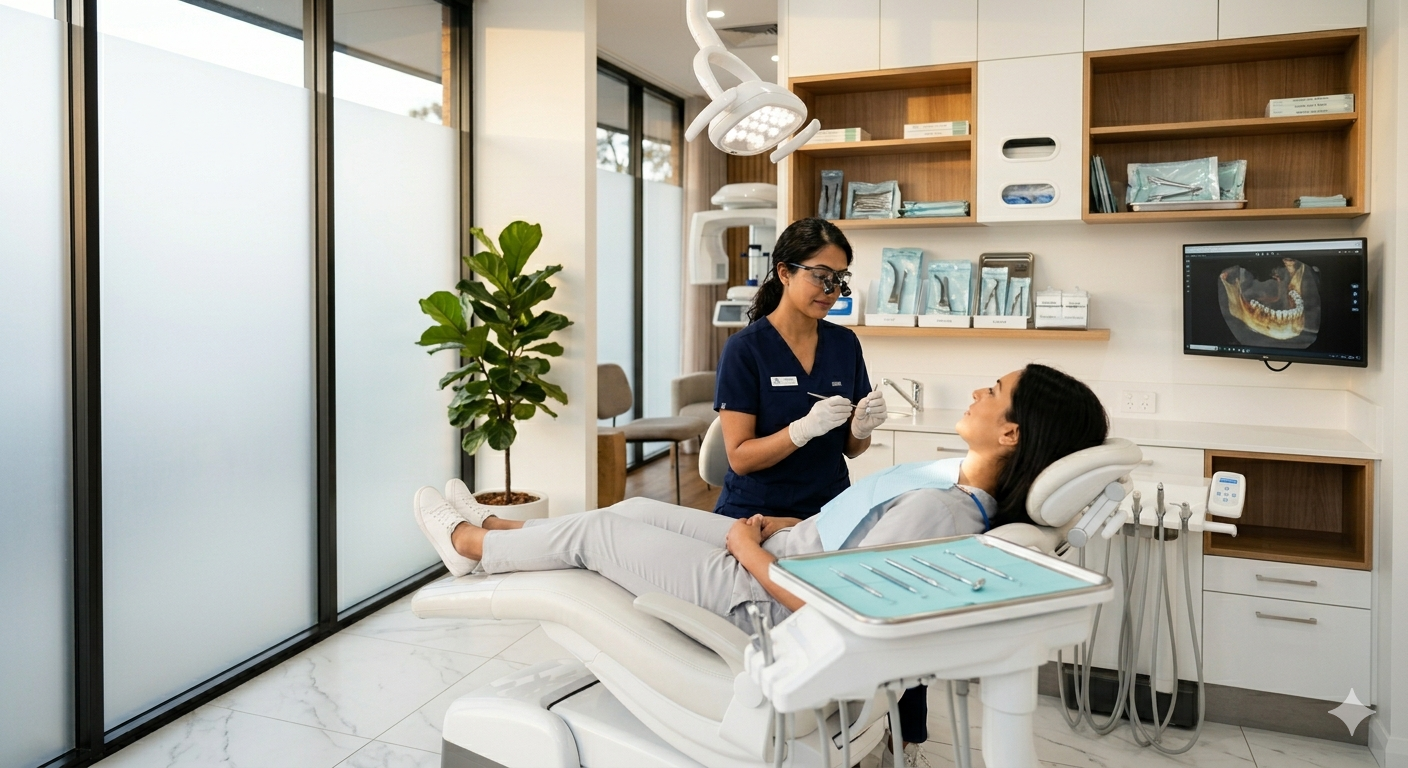
Looking for effective teeth whitening in Santa Maria, CA? Many people want to brighten their smile safely and comfortably, and local dental offices offer options tailored to different needs. Professional teeth whitening treatments in Santa Maria provide noticeable results without damaging enamel, often in just one or two visits.
Dentists in this area focus on patient comfort while using modern techniques that minimize sensitivity. Whether someone has mild staining or deeper discoloration, these treatments can be customized for the best outcome. Understanding the options and care involved can help people feel more confident about choosing the right solution.
If you’ve been hesitant about whitening because of sensitivity or cost, it’s worth learning how today’s treatments work. A local dental expert can provide advice, answer questions, and recommend the best plan for achieving a brighter, healthier smile.
Understanding Teeth Discoloration
Teeth can lose their brightness for several specific reasons. Some come from everyday habits, while others are related to underlying dental health or natural changes over time. Knowing the causes and types helps guide effective treatment.
Common Causes of Staining
Many stains come from external sources that coat the enamel. Coffee, tea, and red wine are frequent culprits because they contain tannins that cling to tooth surfaces. Smoking is another major cause, depositing tar and nicotine that create yellow or brown discoloration.
Certain medications, like tetracycline antibiotics taken during childhood, can cause deep, intrinsic stains that are harder to remove. Aging also plays a role; enamel thins over time, showing the yellow dentin underneath.
Poor dental hygiene allows plaque and tartar buildup, making teeth look dull. In some cases, trauma or excessive fluoride can cause discoloration as well.
Types of Tooth Discoloration
There are two main categories: extrinsic and intrinsic stains. Extrinsic stains form on the outer layer of the tooth and are often easier to treat with whitening products or professional cleanings.
Intrinsic stains occur inside the tooth. They can result from trauma, certain medications, or developmental conditions. These stains usually require more advanced treatments like dental bonding or veneers.
Another type is age-related discoloration, where enamel thins and dentin yellows naturally. Knowing the type is crucial for selecting the right whitening method.
How Diet and Lifestyle Impact Tooth Color
Diet directly affects tooth shade by exposing enamel to staining substances daily. Acidic foods and drinks, like soda and citrus, can erode enamel, making teeth more prone to stains.
Lifestyle habits like smoking not only stain teeth but also increase the risk of gum disease, complicating tooth appearance. Using a straw can help reduce contact with staining liquids.
Regular dental cleanings combined with mindful eating and drinking choices support long-lasting whiteness. Simple changes, like cutting back on coffee or rinsing after meals, can make a big difference.
Professional Teeth Whitening Options
Professional teeth whitening in Santa Maria offers effective and safe ways to brighten smiles. These options are tailored to individual needs and overseen by dental experts to ensure comfort and results.
In-Office Whitening Treatments
In-office whitening is a fast option that delivers noticeable results in one visit. A dentist applies a strong bleaching agent directly to the teeth, often activating it with a special light or laser. This process typically takes about an hour.
Because the concentration of the whitening gel is higher than at-home treatments, patients often see a shade or more of improvement immediately. Protective measures, such as gum shields, keep soft tissues safe during the procedure. Some mild sensitivity might occur but usually fades within a day or two.
This method suits those wanting quick results before a special event or who have stubborn stains that store-bought products don’t address. The dentist can also customize the treatment to avoid uneven whitening.
Take-Home Whitening Kits from Dentists
Take-home kits provided by Santa Maria dentists combine convenience with professional strength. These kits include custom-fitted trays made from molds of the patient’s teeth, ensuring a snug fit that protects gums.
Patients use bleaching gel supplied by the dentist, applying it in the trays for a specific time daily, usually between 30 minutes and a few hours, over one to two weeks. The gel concentration is stronger than over-the-counter products, making the whitening more effective but gentler than in-office treatments.
Because the trays fit well, the gel stays in place, minimizing gum irritation. Progress is gradual and can fit into a patient’s daily routine. Dentists monitor results during follow-up visits to adjust the treatment if needed for safety and effectiveness.
What to Expect During Your Whitening Visit
Patients can anticipate a personalized approach that begins with understanding their smile goals. The process involves specific steps designed to maximize results while keeping comfort a priority.
Consultation and Smile Assessment
At the start, the dentist reviews the patient’s dental history and examines the teeth closely. This helps identify any sensitivity issues or existing dental work that might affect whitening.
The dentist discusses the desired shade and explains realistic outcomes. This conversation ensures expectations align with what best suits the patient’s natural tooth color.
A visual shade guide is often used to compare before and after tones. This provides a clear baseline for tracking progress during the appointment.
Step-by-Step Treatment Process
Once the plan is set, the dentist or hygienist protects the gums with a barrier gel or rubber shield. This prevents irritation from the whitening agent.
The whitening gel, typically containing hydrogen peroxide, is applied evenly to the teeth. Depending on the system, a special light or laser may activate the gel to speed up the process.
Treatment usually lasts 30 to 60 minutes and can include multiple cycles for stronger results. Between cycles, the gel is removed, teeth are rinsed, and a fresh layer is applied.
Patients may feel mild warmth or tingling, but discomfort is minimal and brief. After treatment, teeth are rinsed, and the dentist provides post-care tips to maintain brightness.
Safety and Effectiveness of Whitening Treatments
Whitening treatments in Santa Maria, CA, focus on brightening smiles while keeping teeth healthy and comfortable. Ensuring enamel protection and managing sensitivity are key factors that make these treatments both safe and effective for patients.
Protecting Tooth Enamel
Whitening products use hydrogen peroxide or carbamide peroxide to remove stains, which can sometimes weaken enamel if overused. Professional treatments monitor concentration levels carefully to avoid enamel erosion.
Dental experts recommend custom-fitted trays or in-office applications to control how whitening agents contact teeth. Avoiding over-the-counter products with unclear ingredient levels helps preserve enamel strength. Regular check-ups allow dentists to assess enamel condition before and after treatment, adjusting care as needed.
Managing Sensitivity
Tooth sensitivity during or after whitening is common but usually temporary. It happens because whitening agents access the inner layers of teeth, sometimes irritating nerves.
Dentists in Santa Maria use formulas with added fluoride or potassium nitrate to reduce discomfort. They may also suggest shorter whitening sessions or gradual treatment plans to build tolerance. If sensitivity persists, a dental professional can recommend products to soothe teeth or adjust the whitening method for comfort.
Choosing the Right Whitening Solution for Your Needs
Finding the best whitening option depends on understanding your oral health and personal preferences. The right choice balances effectiveness, safety, and convenience.
Determining Suitability for Whitening
Not everyone is a candidate for teeth whitening. People with sensitive teeth, gum disease, or dental restorations like crowns should first consult a dental professional.
Whitening works best on natural teeth affected by stains from foods, drinks, or smoking. It does not change the color of crowns, veneers, or fillings.
A dental exam helps identify issues like cavities or enamel erosion that must be treated before whitening. This ensures safety and reduces discomfort.
Customizing Treatment Plans
Whitening treatments vary from in-office procedures to take-home kits. Each option suits different lifestyles and results expectations.
Professional whitening in Santa Maria clinics often uses stronger agents, providing faster and more noticeable results under supervision. It is ideal for those seeking quick improvements.
At-home custom trays allow gradual whitening over weeks. This method offers convenience and control but requires patient commitment.
Discussing habits, sensitivity, and cosmetic goals with the dentist helps tailor the plan for comfort and effectiveness. Adjustments in concentration or treatment frequency may be recommended based on feedback.
Maintaining Your Bright Smile After Whitening
Keeping teeth bright after whitening involves specific care steps and mindful daily habits. Simple changes and smart routines can help reduce stains and extend the whiteness.
Post-Treatment Care Tips
After whitening, it’s best to avoid foods and drinks that stain, like coffee, red wine, and dark berries, for at least 48 hours. Teeth are more porous right after treatment, so they absorb stains more easily.
Using a soft-bristled toothbrush and gentle toothpaste helps prevent irritation. Patients should brush twice daily but avoid abrasive whitening toothpastes immediately after treatment. Drinking plenty of water rinses away leftover residue and reduces discoloration.
If sensitivity occurs, products with potassium nitrate can ease discomfort. Regular dental checkups let the dentist monitor teeth health and recommend touch-ups if needed.
Habits That Keep Teeth White
Daily habits play a big role in maintaining bright teeth. Avoiding smoking and tobacco products significantly reduces yellowing over time.
Eating crunchy fruits and vegetables like apples and carrots can naturally clean teeth by stimulating saliva and removing surface stains. Drinking through a straw reduces contact with staining liquids.
Maintaining a consistent dental hygiene routine, including flossing, clears plaque buildup that dulls enamel. Patients should schedule professional cleanings every six months to keep teeth polished and fresh-looking.
Simple lifestyle choices go a long way in protecting a bright, confident smile.
Exploring Alternative Whitening Methods
People looking for brighter teeth often consider options beyond professional treatments. Some rely on store-bought products, while others try natural remedies, but both come with important details to understand.
Over-the-Counter Products
Over-the-counter (OTC) whitening products include strips, gels, toothpaste, and rinses. These are widely available, affordable, and convenient, making them popular first choices.
The active ingredient in many OTC products is hydrogen peroxide or carbamide peroxide, but the concentration is usually much lower than professional treatments. This means results take longer and may be less dramatic.
Users should follow instructions carefully to avoid tooth sensitivity or gum irritation, which can happen if products are overused. OTC whitening can brighten surface stains but may not work well on deeper discoloration or dental work like crowns.
Myths About Natural Remedies
Natural whitening methods like baking soda, activated charcoal, or lemon juice are common online suggestions. While some may help remove surface stains, many carry risks.
Baking soda mildly abrasives the teeth but can wear down enamel if used too often. Activated charcoal lacks strong evidence supporting its effectiveness and can be abrasive, potentially damaging enamel with regular use.
Lemon juice is acidic and can erode enamel, increasing sensitivity and decay risk. Dentists generally advise caution and recommend avoiding strong acids or harsh scrubs as teeth whitening strategies.
Patients interested in natural methods should discuss options with their dental provider to keep teeth safe and healthy.
Benefits of Whitening with a Local Dental Expert
Choosing a nearby dental professional for teeth whitening brings several advantages. These include customized care tailored to individual dental needs and a focus on maintaining long-lasting oral health beyond just a brighter smile.
Personalized Attention
A local dental expert provides treatments specifically designed for each patient’s teeth. They assess factors like tooth sensitivity, existing dental work, and overall oral health before recommending the best whitening method. This personalized approach lowers the risk of irritation and ensures the most effective results.
During visits, the dentist can monitor the whitening progress closely and adjust treatments if necessary. Patients also benefit from clear guidance on at-home care, making it easier to maintain results safely.
Long-Term Smile Health
Working with a local professional means teeth whitening is part of a bigger plan for oral wellness. Dentists focus on protecting enamel and gums while improving tooth color. They can address underlying issues that cause discoloration, such as staining habits or dental decay, to prevent recurrence.
Regular checkups alongside whitening appointments allow early detection of problems. This integrated care supports a healthier, brighter smile for years. Patients can trust that their teeth are not only white but also strong and well cared for.
Taking the First Step Toward a Brighter Smile
Choosing to whiten teeth is a personal decision that often begins with a simple conversation. Many patients in Santa Maria start by discussing their concerns and goals with a trusted dental professional. This first step helps tailor a whitening plan that fits their unique needs.
Before starting any treatment, a dental exam is important. It ensures teeth and gums are healthy enough for whitening. This prevents discomfort and helps achieve the best results.
There are several whitening options available, from in-office treatments to custom take-home kits. Each method offers different benefits:
| Whitening Option | Key Feature | Treatment Time |
|---|---|---|
| In-Office Whitening | Fast results, professional care | About 1 hour |
| Custom Take-Home Kits | Convenience, gradual brightening | Several days to weeks |
| Over-the-Counter | Affordable, easy to use | Varies |
Patients often ask if whitening is painful. Modern techniques prioritize comfort and safety, minimizing sensitivity. Dentists can recommend products designed to protect enamel and reduce discomfort.
Starting with a professional consultation ensures the whitening process is both effective and safe. It opens the door to a customized plan that suits the patient’s lifestyle and expectations.
Anyone considering teeth whitening in Santa Maria can reach out to their local dental office. Asking questions and expressing concerns is encouraged—it’s all part of achieving a smile they feel confident about.
Frequently Asked Questions
Teeth whitening costs, methods, and care can vary, but understanding these details helps patients choose the right option. Knowing what to expect about safety, durability, and preparation makes the process smoother and more comfortable.
How much does professional teeth whitening usually cost in California?
Professional teeth whitening in California typically ranges from $300 to $800 per session. Prices depend on the dental office, the type of treatment, and how many sessions are needed.
What’s the difference between in-office whitening and take-home whitening trays?
In-office whitening is done by a dentist using stronger bleaching agents, delivering faster results in one or two visits. Take-home trays are custom-made and use milder bleach so patients whiten gradually over several weeks.
How long do teeth whitening results typically last, and what can I do to maintain them?
Results usually last from six months to two years. Avoiding foods and drinks that stain, like coffee and red wine, plus regular brushing, helps maintain the brightness longer.
Is teeth whitening safe if I have sensitive teeth or gum irritation?
Dentists can adjust treatments for sensitivity or irritation by using gentler formulas or desensitizing gels. A consultation will determine the safest whitening approach to protect oral health.
Will whitening work on crowns, veneers, bonding, or other dental work?
Whitening agents do not change the color of dental restorations like crowns or veneers. These may need replacement if their shade no longer matches natural teeth after whitening.
What should I do before and after whitening to get the best, most comfortable results?
Before whitening, patients should have a dental cleaning and address any decay or gum issues. After treatment, avoiding stain-causing foods and using a soft-bristled toothbrush can reduce sensitivity and prolong results.