
Clear Aligners Santa Maria CA — Comfortable, Modern Teeth Straightening Close to Home
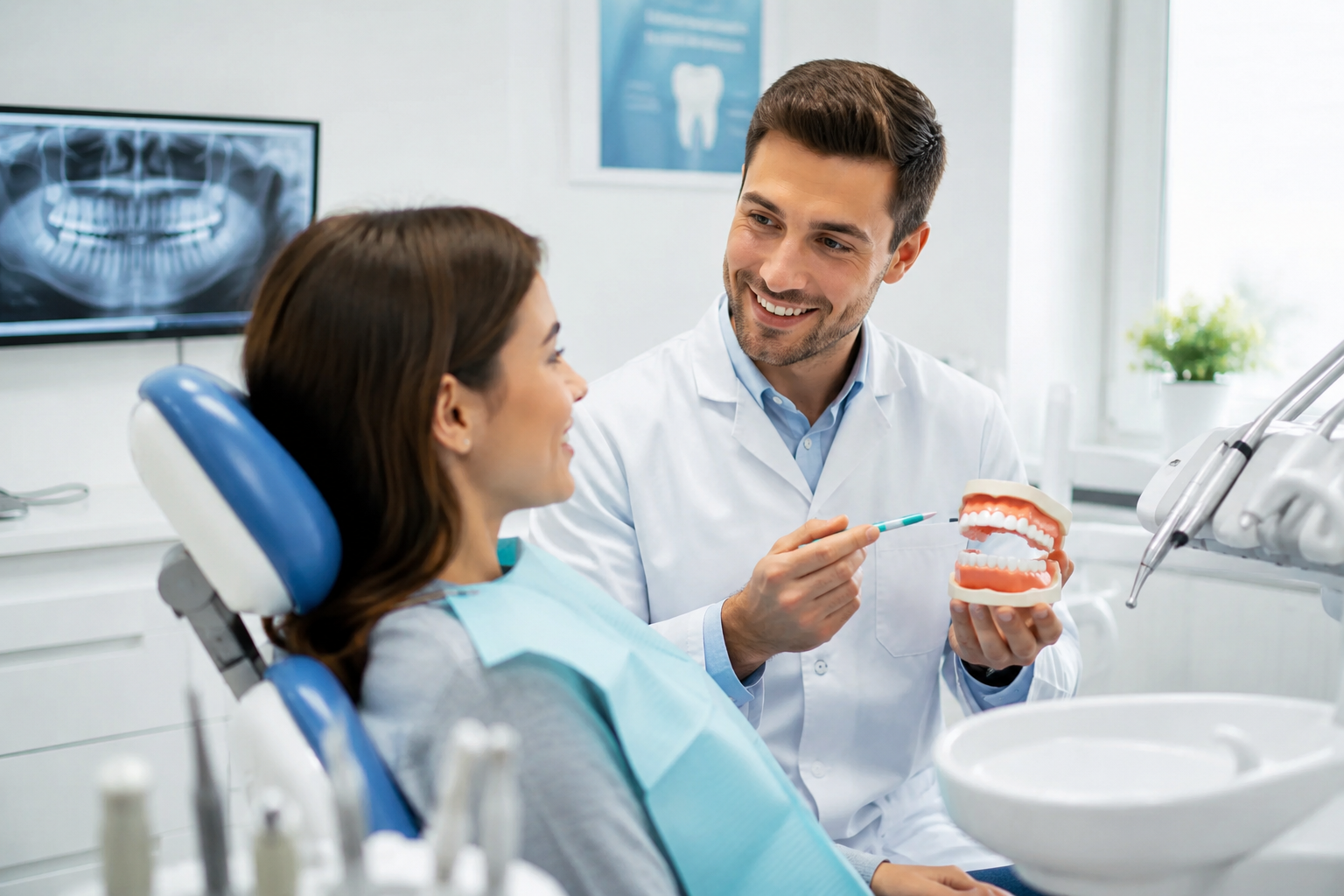
You’ll find clear aligners in Santa Maria, CA offer a discreet, comfortable way to straighten teeth without metal braces. They can correct many common alignment issues while fitting into your daily life, often with shorter, less invasive visits to a local dental practice.
The article explains how treatment works, who qualifies, what daily life looks like with aligners, costs and financing, brand differences, and what to expect during your visits in Santa Maria. It also answers common concerns and outlines practical next steps so you can decide whether aligners suit your smile and schedule.
Understanding Clear Aligners
Clear aligners move teeth gently using a series of removable, custom trays. They offer discreet correction for many bite and spacing issues while prioritizing comfort and oral hygiene.
How Clear Aligners Work
Aligners are made from smooth, BPA-free thermoplastic molded to fit the patient’s teeth precisely. Each set applies calculated pressure to specific teeth, shifting them millimeters at a time over roughly one to two weeks before the next set is worn.
Treatment begins with a digital scan or impressions to create a 3D treatment plan showing incremental tooth positions. The dentist or orthodontist reviews and adjusts that plan, then fabricates the full series of trays—typically 20–40 sets for moderate cases.
Patients wear aligners 20–22 hours daily, removing them only to eat, brush, and floss. Compliance directly affects progress; missed wear time can extend treatment and require refinements.
Types of Dental Issues Treated
Clear aligners handle a wide range of orthodontic problems, especially mild to moderate cases. They correct crowding by creating space, close gaps between teeth, and align rotated or tipped teeth.
They also address certain bite problems: mild to moderate overbite, underbite, crossbite, and open bite can be improved when the case is suitable for aligner mechanics. However, severe skeletal discrepancies, large tooth movements, or complex vertical changes may still require braces or surgical orthodontics.
Adults and teenagers with healthy gums and adequate bone support are the best candidates. The dentist evaluates X-rays, bite relationships, and periodontal health to determine if aligners will deliver predictable, safe results.
Benefits Compared to Braces
Clear aligners offer several practical advantages for daily life. They are nearly invisible, removable for eating and cleaning, and typically cause less irritation to lips and cheeks than metal brackets.
Oral hygiene improves because patients can brush and floss normally, reducing risk of cavities and gum inflammation during treatment. Clinic visits are often shorter and less frequent, since many aligner systems allow for spaced check-ins and remote monitoring.
Treatment comfort tends to be higher, with gradual pressure and fewer emergency visits for broken wires. Cost and treatment time can be similar to braces for comparable cases, so a professional consultation clarifies expectations and financial options.
Patient Journey in Santa Maria CA
Patients can expect a clear, step-by-step path from first contact to finishing treatment, with attention to comfort, affordability, and local follow-up care. The process emphasizes a detailed consultation, a realistic treatment timeline, and access to local dental resources for adjustments and support.
What to Expect During Your Consultation
During the initial visit, the clinician reviews medical and dental history, takes digital X-rays if needed, and captures intraoral scans or impressions to map tooth positions. This visit typically lasts 45–60 minutes and includes a discussion of goals, budget, and any concerns about pain or appearance.
The dentist explains candidacy for clear aligners, showing the patient a projected treatment plan and visual simulations of expected tooth movement. Fees, insurance coverage, and available financing are outlined; many Santa Maria practices provide written estimates and payment plans.
Patients receive instructions on aligner wear (usually 20–22 hours/day), hygiene, and what to expect for soreness or speech changes. Next steps—lab processing time and scheduling the aligner delivery—are agreed on before the appointment ends.
Timeline of Typical Treatment
A common treatment for mild-to-moderate crowding runs 6–12 months, while more complex cases can take 12–24 months. The clinician sets a personalized schedule based on severity, age, and compliance.
Patients change aligners every 1–2 weeks and attend check-ins every 6–10 weeks for fit verification and refinement. Each check takes 10–20 minutes and may include quick scans to monitor progress and order adjustments if needed.
Retention follows active treatment; patients usually wear retainers nightly for life or as advised to prevent relapse. Delays can occur for refinements, missed appointments, or poor wear time, so adherence to instructions keeps the timeline on track.
Local Practices and Dental Support
Santa Maria clinics often combine general dentists and orthodontic specialists for aligner cases; patients can ask whether a board-certified orthodontist will review the plan. Many offices use digital workflows—scanners, 3D planning software, and local labs—to shorten turnaround times to 1–3 weeks between scan and first aligners.
Emergency or urgent issues are handled by local offices; common supports include same-week aligner refits, emergency retainers, and on-call phone advice. Clinics also coordinate with dental insurance providers in Santa Barbara County and offer sliding-scale or financing options for qualifying patients.
Community resources such as student dental clinics at nearby colleges and county public health programs can assist patients with lower-cost exams or referrals. Patients are encouraged to call clinics ahead to confirm provider credentials, payment options, and appointment availability.
Ideal Candidates for Treatment
Clear aligners work best for people with specific alignment issues, good oral health, and a willingness to follow treatment steps. They suit many lifestyles because they are removable, discreet, and predictable when worn as prescribed.
Who Can Benefit Most
Patients with mild to moderate crowding or spacing gain the most from clear aligners. Those with anterior crossbites, mild overbites (less than 5 mm), underbites that are primarily dental rather than skeletal, and rotations under 40 degrees respond well. Adults who want a discreet option for workplace or social reasons often prefer aligners. People who can commit to wearing aligners 20–22 hours per day and who can attend regular check-ins achieve the best outcomes. Smokers or those who grind teeth should discuss risks, since staining, reduced compliance, or the need for a night guard can affect success. Good oral hygiene and no active gum disease are essential before starting.
Age Considerations
Aligners suit most adults and many teenagers whose jaw growth is near complete. For adolescents, eruption status matters: all permanent teeth should be present or monitored closely by the orthodontist. Younger children usually need traditional braces or growth-modification appliances when skeletal issues dominate. Older adults benefit from aligners if they have stable periodontal support; however, a periodontal evaluation is required because bone loss can change tooth movement plans. Clear aligners allow easier hygiene for patients with restorations like crowns or implants, but treatment planning must account for those fixtures.
Cases That May Need Alternatives
Severe skeletal discrepancies typically require orthodontics combined with surgery rather than aligners alone. Large tooth movements—such as closing wide gaps, correcting rotations greater than 40 degrees, or significant vertical corrections—may be more predictable with fixed appliances. Complex bite problems involving multiple teeth or asymmetries sometimes need braces or TADs (temporary anchorage devices). Patients with extensive restorations or untreated periodontal disease may need dental work or gum therapy before orthodontic movement. The clinician will recommend the safest, most effective option during evaluation.
Daily Life With Aligners
Daily life with clear aligners focuses on consistent wear, simple cleaning, and small routine changes that protect teeth and treatment progress. Patients will learn how to put in and care for aligners, when to remove them for food and drink, and ways to keep teeth healthy throughout treatment.
Wearing and Caring for Your Aligners
Patients should wear aligners 20–22 hours per day; removing them for longer slows progress. They should insert aligners with clean hands, seating them from front to back and checking that each tooth is fully engaged in the tray.
Store aligners only in their protective case to avoid loss or damage. Avoid wrapping them in napkins or leaving them exposed on counters. If an aligner cracks or warps, contact the orthodontic office immediately for advice or a replacement.
Clean aligners twice daily using a soft-bristled toothbrush and lukewarm water. Avoid hot water, which can deform plastic. Use nonabrasive toothpaste or a recommended cleaning solution; do not use mouthwash with dyes that can stain trays.
Bring aligners and case to every dental visit. Track aligner changes on a calendar or app and keep the current and previous tray in case a dentist needs to compare fit. Follow prescribed wear time for each sequential tray to maintain the treatment timeline.
Eating and Drinking Tips
Patients must remove aligners before eating or drinking anything other than plain water. Chewing with trays in can damage them and trap food against enamel, increasing decay risk. Place trays in their case whenever they eat to prevent accidental disposal.
Rinse the mouth and aligners after eating before reinserting. Brushing teeth before putting trays back in reduces plaque buildup and prevents staining. For snacks that need frequent eating, choose water or plan to brush after.
Avoid colored or sugary drinks like soda, coffee, tea, and juice while wearing aligners; these can stain trays and promote cavities. If drinking dark beverages, remove aligners and rinse thoroughly before reinserting. Chewing gum and sticky candies should be avoided entirely during treatment.
Maintaining Oral Hygiene
Brushing and flossing become more important with aligners. Brush at least twice daily and floss once daily to remove plaque that can accumulate around the trays. Use a fluoride toothpaste to protect enamel.
Clean along the gumline and between teeth before reinserting aligners to minimize trapped bacteria. Consider an interdental brush or floss threader for tight spaces that trays might press into. A soft toothbrush works best to avoid scratching aligner surfaces.
Schedule regular dental cleanings every six months, or more often if the dentist recommends it. Professional cleanings keep gums healthy and catch issues early. If the patient notices persistent soreness, unusual odors, or discoloration, they should contact their dentist for an evaluation.
If questions or concerns arise about daily routines, aligner fit, or oral care, patients should consult their local Santa Maria provider for personalized guidance and next steps.
Ensuring Successful Outcomes
Good habits and regular check-ins make the treatment predictable and comfortable. Patients who follow wear time, cleaning, and appointment guidance usually reach their goals faster and with fewer setbacks.
Importance of Compliance
Strict adherence to the prescribed daily wear time—typically 20–22 hours—directly affects movement speed and final alignment. Skipping hours or leaving aligners out for long meals delays progress and can cause the fit of later trays to be off, which may require additional refinements.
Cleaning matters: rinse aligners after eating, brush them with a soft brush and mild soap, and avoid hot water that warps plastic. Smoking, chewing gum, and using colored mouthwash can stain or damage trays and reduce effectiveness.
Use the provided attachment care instructions: attachments help specific teeth move and must remain intact. If an attachment falls off, contact the dental office promptly to schedule a repair so movement doesn’t stall.
Monitoring Progress With Your Dentist
Regular follow-ups—commonly every 6–10 weeks—allow the dentist to check fit, tooth movement, and gum health. During these visits, they will compare current alignment to the treatment plan and decide if refinements or mid-course corrections are needed.
Patients should track any soreness, gaps, or wiggle that persist beyond the expected adjustment period and report them immediately. The dentist may take new scans, photos, or X-rays to verify movement and adjust tray staging if teeth aren’t following the predicted path.
Clear communication matters: report lifestyle changes, medication use, or broken trays. The dental team coordinates any necessary retainer planning at the end of treatment to preserve results and explain at-home maintenance.
Cost and Financing Options
Clear aligner costs in Santa Maria, CA vary by case complexity, treatment length, and the provider’s experience. Patients typically weigh upfront price, available financing, and whether dental insurance will offset part of the fee.
Average Price Range Locally
Typical full-treatment pricing at Santa Maria dental and orthodontic practices runs from about $2,000 to $6,500. Mild cosmetic adjustments often fall between $2,000 and $3,500; moderate bite or spacing corrections commonly cost $3,500 to $5,000; complex orthodontic cases that require refinements or attachments can reach $5,000–$6,500.
Some offices charge for initial records (digital scan or X-rays) separately, usually $100–$300, while periodic check visits are often included in the total fee. Customization like attachments, IPR (interproximal reduction), or accelerated aligner options can add several hundred dollars. Providers may offer discounts for paying in full at the start.
Insurance Coverage and Payment Plans
Many dental insurance plans include orthodontic benefits that cover part of clear aligner treatment, typically $500–$2,000 lifetime maximums rather than full coverage. Patients should verify whether their plan treats aligners as orthodontics or cosmetic treatment, because that distinction affects reimbursement. Pre-treatment benefit estimates help avoid surprise out-of-pocket costs.
Most Santa Maria practices offer monthly payment plans through third-party lenders (e.g., CareCredit, Proceed Finance) or in-office financing. Typical plans split balances over 6–24 months; interest-free options often require a down payment. Clinics usually provide a written estimate showing total cost, insurance portion, and monthly payment examples to simplify decision-making.
Addressing Common Concerns
Patients often worry about comfort, possible side effects, and what to do if something goes wrong. This section explains common experiences, realistic expectations, and practical steps to handle issues quickly.
Comfort and Pain Management
Most patients feel pressure rather than sharp pain during the first few days after switching to a new set of aligners. The pressure signals teeth moving; it usually peaks in the first 24–72 hours and then eases. Over-the-counter ibuprofen or acetaminophen typically controls discomfort; follow dosing instructions and consult a provider if taking other medications.
Soreness often occurs at the gum line or where plastic rubs against soft tissue. Smooth edges, careful insertion and removal, and wearing aligners for the prescribed 20–22 hours daily reduce rubbing. If rough edges persist, the dental office can trim or polish the aligner within a few minutes.
Cold compresses and soft foods can help during painful days. Avoid crunchy or sticky foods that increase jaw strain when aligners come out for eating. If pain is severe, sudden, or lasts beyond a week, the patient should contact their clinician for an evaluation—this could indicate an ill-fitting tray or underlying dental issue.
Potential Side Effects
Common, temporary side effects include increased saliva, mild speech changes, and slight gum irritation. Saliva production usually normalizes within a week as the mouth adapts. Lisping often resolves in a few days; practicing reading aloud or repeating difficult sounds speeds recovery.
Minor tooth sensitivity to hot and cold is possible, especially if enamel is thin or the patient had recent dental work. Using a desensitizing toothpaste and avoiding extreme temperatures helps. Rare but important risks include root resorption and gum recession if forces are excessive or oral hygiene is poor—these require monitoring with periodic X-rays and professional exams.
Allergic reactions to aligner materials are uncommon but possible. Signs include persistent swelling, itching, or a burning sensation under the tray. If any of these occur, stop using the aligner and call the dental office immediately to switch materials or adjust the plan.
What to Do if Issues Arise
If an aligner cracks, warps, or does not seat fully, switch to the previous tray (if still comfortable) and contact the office the same day. The team can advise whether to move forward with the next tray or order a replacement. Keep broken pieces in a safe container and bring them to the appointment for assessment.
For soreness that OTC meds do not relieve, call to check tray fit and tooth movement. The clinician may pause advancement, perform small adjustments, or fabricate a new tray. For signs of infection—bleeding that won’t stop, pus, fever—or severe swelling, seek immediate care; these are not normal and need prompt treatment.
For scheduling, most offices offer telehealth checks for minor concerns and quick in-person visits for adjustments. Patients should bring recent photos, a description of symptoms, and the affected tray to streamline care and speed resolution.
Comparing Brands and Materials
Patients often ask which aligner brand and material will fit their lifestyle, budget, and treatment goals. This section compares well-known brands and explains material choices to help patients make informed decisions.
Popular Clear Aligner Brands
Several brands dominate the U.S. market, each with specific features that matter to patients in Santa Maria, CA.
- Invisalign (Align Technology) — Widely used by orthodontists and general dentists. Offers proprietary SmartTrack material, staged attachments, and ClinCheck 3D treatment planning. Best for complex movements and cases needing precise root control.
- ClearCorrect — Similar clinical workflow to Invisalign and often slightly lower cost. Uses sequential aligners and can be prescribed by many local providers. Good for moderate crowding and spacing.
- SmileDirectClub / Direct-to-Consumer (DTC) brands — Home-scan or impression kits with remote monitoring. Lower upfront cost but less frequent in-person oversight. Best for very mild issues; not recommended when attachments, IPR, or refinements are likely.
- Other office-based systems (e.g., SureSmile, 3M Clarity Aligners) — Offered by larger dental practices; blend lab precision with in-office supervision. Often chosen when patients want a local provider and more hands-on care.
Patients should weigh clinical complexity, desire for in-person visits, and budget when choosing a brand.
Material Differences and What They Mean
Aligner materials affect comfort, visibility, durability, and how force is delivered to teeth. Different manufacturers use varied polymers and fabrication methods.
- Thermoplastic polyurethane (TPU) and co-polymers — Common in premium aligners (like SmartTrack). They provide consistent, gentle force, good elasticity, and better fit retention over weeks. This reduces mid-treatment adjustments.
- PETG and similar clear plastics — Often used in lower-cost or DTC aligners. They are clear and rigid initially but can lose shape faster and stain more readily. This can mean more frequent replacement or slightly less precise movements.
- Thickness and multi-layer designs — Some systems use single-thickness aligners; others use alternating thicknesses to sequence tooth movement. Multi-layer or variable-thickness options can deliver programmed forces for rotation, extrusion, or translation.
- Stain resistance and odor — Higher-end materials resist staining from coffee and tobacco better. They also maintain clarity longer, which matters for patients who prioritize aesthetics during treatment.
Patients should ask their provider about the specific material, how long each aligner is worn, and whether attachments or refinements are included. These details influence comfort, treatment predictability, and overall satisfaction.
Next Steps for a Healthier Smile
They should start with a brief consultation to confirm candidacy for clear aligners. The dentist will review X-rays, impressions, and treatment goals to create a custom plan.
Patients will receive a timeline and cost estimate. Many practices offer flexible payment plans and financing to make treatment manageable.
Follow-up visits matter for tracking progress and receiving new aligner sets. Adherence—wearing aligners 20–22 hours daily—directly affects outcomes.
Daily oral hygiene remains essential while wearing aligners. Brushing after meals and rinsing aligners with lukewarm water prevents staining and plaque buildup.
Expect gentle adjustments to eating and speaking at first; most adapt within a few days. The office can provide tips and troubleshooting for comfort and fit.
Use this quick checklist to prepare:
- Bring recent dental records and X-rays if available.
- List medications and medical history.
- Note cosmetic or functional goals for discussion.
They should ask about retention after treatment; retainers keep teeth in their new positions. The dentist will recommend a retention schedule tailored to the patient’s needs.
Call or book an appointment to discuss options and next steps. The dental team can answer questions, explain costs, and begin a personalized treatment plan.
Frequently Asked Questions
Patients often ask about costs, treatment length, comfort, and whether aligners can target a single tooth or require broader movement. They also want guidance on choosing a provider and whether a consultation is available to review options, timeline, and out-of-pocket cost.
How much do clear aligners typically cost, and what factors can change the price?
Clear aligner treatment in Santa Maria usually ranges from $2,500 to $6,000 depending on complexity. Mild cases at the lower end often need fewer aligners and fewer in-office visits; moderate to severe cases require more stages and monitoring, increasing cost.
Additional factors include whether scans, X-rays, retainers, or refinements are included, plus the provider’s experience. Insurance coverage, monthly payment plans, and promotional financing can lower upfront expense.
Can clear aligners fix just one crooked tooth, or do they usually move multiple teeth?
Clear aligners can correct a single misaligned tooth in many cases, especially if neighboring teeth are stable. Treatment plans often move multiple teeth to create proper bite alignment and prevent relapse.
An orthodontist will evaluate space, root position, and bite forces before deciding if a focused small-series aligner plan or comprehensive treatment is best.
How do I know whether I’m a better fit for clear aligners or traditional braces?
Candidates for clear aligners typically have mild to moderate crowding, spacing, or bite concerns and can commit to wearing trays 20–22 hours daily. More complex tooth movements, large vertical changes, or certain bite corrections may suit fixed braces better.
A professional exam with digital scans and X-rays clarifies which method achieves the intended result most predictably.
How long does clear aligner treatment usually take for mild vs. moderate crowding?
Mild crowding often resolves in 3 to 9 months with consistent wear and good oral hygiene. Moderate crowding commonly requires 9 to 18 months, depending on the number of aligner stages and any needed refinements.
Appointments every 6–12 weeks let the provider monitor progress and adjust the plan to stay on schedule.
Will clear aligners be comfortable, and what can I do to ease soreness in the first week?
Most patients report mild pressure and soreness during the first 3–7 days of a new aligner as teeth begin to shift. Over-the-counter pain relievers, eating soft foods, and switching aligners at night can reduce discomfort.
Using orthodontic wax for sharp edges and taking short breaks with warm salt rinses helps, but consistent wear is important to avoid prolonging soreness.
What should I look for when choosing an orthodontist or dental office for aligner treatment, and can I book a consultation to ask questions?
Look for a licensed orthodontist or dentist with specific experience in clear aligner systems, documented before-and-after cases, and transparent pricing that includes scans, retainers, and follow-up care. Reviews, professional credentials, and technology used (intraoral scanner, 3D treatment planning) matter.
Most offices offer an in-person consultation or virtual visit to review scans, expected timeline, costs, and payment options. Patients should schedule a consultation to discuss goals, ask about warranty or touch-up policies, and confirm ongoing support.