
Emergency Dental Services Santa Maria CA – Trusted Care When You Need It Most
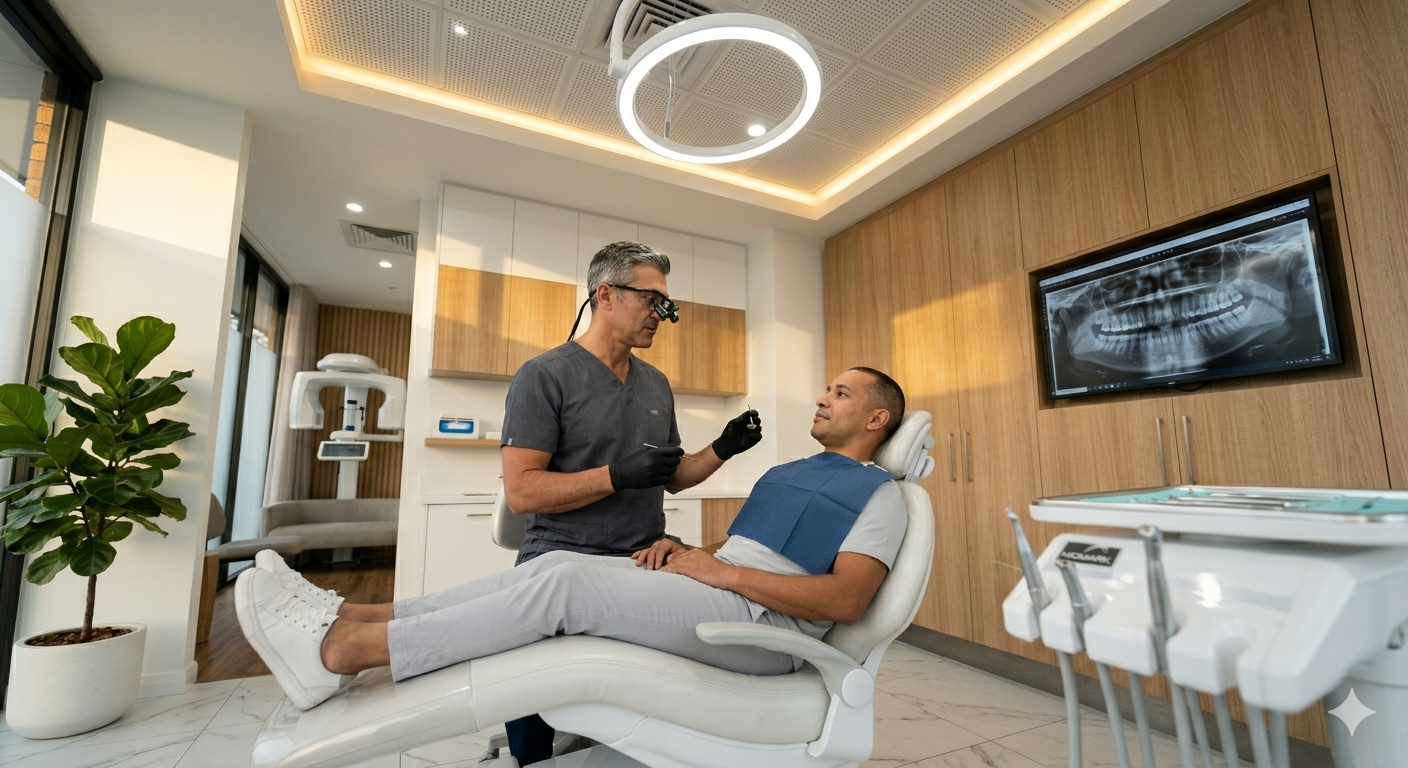
Dental emergencies can happen unexpectedly, and knowing where to turn in Santa Maria, CA, is crucial for quick relief and care. Whether it’s a sudden toothache, a chipped tooth, or an injury, access to emergency dental services ensures that problems are addressed before they worsen.
Emergency dental services in Santa Maria, CA, provide immediate treatment for urgent dental issues, often outside regular office hours, helping to reduce pain and prevent further damage. These services focus on patient comfort, using the latest techniques to make care as stress-free as possible.
For anyone facing a dental emergency, understanding available options and what to expect can ease anxiety. This article will guide readers through common types of emergencies, treatment methods, and how to find a trusted local provider ready to help.
What Are Emergency Dental Services?
Emergency dental services are designed to provide fast and effective care when urgent dental problems arise. These services focus on relieving pain, preventing infection, and repairing damage to the teeth or gums. Patients can expect specialized treatment tailored to their immediate needs.
Types of Dental Emergencies
Dental emergencies include a variety of urgent problems that require prompt attention. Common types are:
- Severe tooth pain signaling infection or nerve damage
- Chipped or broken teeth from accidents or biting hard objects
- Knocked-out teeth needing quick re-implantation
- Lost dental restorations such as crowns or fillings
- Abscesses presenting as painful, swollen infections
- Soft tissue injuries like cuts or lacerations to the tongue or gums
Each emergency has its own urgency level. For example, a knocked-out tooth ideally needs care within an hour for the best chance of saving it.
How Emergency Dental Services Differ From Regular Checkups
Emergency dental care focuses on immediate relief rather than routine maintenance. Unlike regular checkups that include cleaning, exams, and early problem detection, emergencies require rapid treatment of acute issues.
Emergency visits often involve pain management, X-rays to assess damage, and temporary or permanent repairs. These appointments may occur outside normal office hours and emphasize restoring function quickly to prevent further complications.
Regular checkups prevent emergencies by catching problems early. Emergency care steps in when prevention or routine treatment isn’t enough.
Common Causes of Dental Emergencies
Dental emergencies can happen for many reasons, often unexpectedly. The most common causes include:
- Trauma from accidents, such as falls, sports injuries, or car collisions
- Tooth decay advancing to painful infections or abscesses
- Dental procedures that trigger complications or sensitivities
- Biting hard foods causing fractures or dislodgement of restorations
- Neglected oral hygiene leading to gum disease and acute problems
Understanding these causes helps patients take preventive steps and recognize when urgent care is necessary.
If you’re experiencing any of these issues, seeking prompt help can make a big difference in outcomes and comfort.
When to Seek Emergency Dental Care in Santa Maria CA
Knowing when to act quickly can protect your teeth and relieve pain. Certain signs clearly indicate a need for prompt dental care, while other issues may be less urgent but still important. Understanding these differences helps prevent complications and keeps your smile healthy.
Signs You Need Immediate Attention
Severe tooth pain that doesn’t improve with over-the-counter medication often signals a problem needing urgent care. A knocked-out tooth requires attention within 30 minutes to improve chances of saving it. Excessive bleeding from the mouth, swelling, or an injury to the jaw are also red flags.
Other signs include a cracked or broken tooth causing sharp pain or difficulty eating and a visible abscess, which looks like a pus-filled bump near the gum. High fever accompanied by mouth pain can mean infection has spread and needs fast treatment. If any of these occur, visiting an emergency dental clinic in Santa Maria promptly is crucial.
Urgent vs. Non-Urgent Dental Issues
Not every dental problem requires an emergency visit. For example, mild tooth sensitivity, minor chips, or loose fillings are uncomfortable but don’t usually demand immediate care. These issues can often wait for a regular appointment.
Urgent problems involve pain, bleeding, or trauma. Severe infections causing swelling, fever, or difficulty swallowing are emergencies. On the other hand, a lost crown or fractured tooth without pain might be urgent but not immediate. Knowing this helps patients avoid unnecessary emergency room visits while still protecting oral health.
Risks of Delaying Treatment
Waiting to treat dental emergencies can lead to worse pain and increased damage. Infections can spread to nearby tissue, causing serious health concerns beyond the mouth. A delayed broken or knocked-out tooth might require extraction instead of repair.
Ignoring swelling or persistent bleeding risks permanent damage to gums and bone. Early care, especially with modern dental technology, often means simpler treatments and faster recovery. In Santa Maria, timely emergency services minimize complications and help preserve your natural smile longer.
How to Handle Common Dental Emergencies
Dental emergencies can be stressful, but knowing what to do right away makes a big difference. Quick, calm actions help reduce pain and protect teeth from further damage. Here are clear steps for some of the most frequent urgent dental situations.
Toothaches and Tooth Pain
Tooth pain often signals an infection, cavity, or injury. Rinsing the mouth with warm water can clean debris and ease discomfort. Floss gently to remove trapped food causing irritation.
Avoid placing aspirin or other painkillers directly on the gums, as this can burn tissue. Instead, use over-the-counter pain relievers as directed.
Applying a cold compress to the cheek for 15 minutes can reduce swelling. If the pain is severe, lasts more than a day, or comes with fever, seek emergency dental care promptly.
Broken or Knocked-Out Teeth
If a tooth breaks but stays in the mouth, rinse the area with warm water and save any fragments. Avoid biting down on the broken tooth to prevent further damage.
For a knocked-out tooth, handle it by the crown (top), not the root. Rinse the tooth gently with water if dirty—do not scrub or use soap.
Try to place the tooth back into its socket if possible. If not, keep it moist by storing it in milk or saline solution. Immediate dental care within an hour offers the best chance to save the tooth.
Lost Fillings or Crowns
Losing a filling or crown can cause sensitivity or pain and leave the tooth vulnerable. First, rinse your mouth and clean the crown or filling.
If you still have the crown, try to place it back on the tooth temporarily using dental cement or sugarless gum. Avoid sticky or hard foods that could worsen the problem.
Call the dentist as soon as possible to prevent infection or further decay. Waiting too long can complicate treatment or lead to root canal therapy.
Finding an Emergency Dentist in Santa Maria CA
Locating a trusted emergency dentist in Santa Maria means looking at clinic options, understanding what happens during a visit, and knowing how to prepare in advance. These steps help ensure fast relief and proper care when dental trouble strikes unexpectedly.
How to Choose the Right Emergency Dental Clinic
When selecting an emergency dentist, availability is key. Look for clinics offering same-day appointments or after-hours service. This ensures prompt pain relief.
Check if the dentist handles a wide range of emergencies—like toothaches, broken teeth, or infections. Reviews and patient testimonials can reveal how well the staff communicates and manages urgent cases.
Location matters. Choosing a nearby clinic reduces travel stress during pain or injury. Also, verify if they accept your insurance or offer payment options for flexibility.
Finally, make sure the clinic uses modern technology and follows strict hygiene protocols for safety and effective treatment.
What to Expect During Your Visit
Emergency dental visits start with a quick but thorough assessment. The dentist will ask about symptoms and examine the affected area to identify the problem.
X-rays or other imaging might be taken to check damage not visible to the eye. This helps the dentist decide the best treatment path.
Treatment can vary from pain management and temporary fixes to more involved procedures like root canals or extractions, depending on urgency.
Patient comfort is prioritized throughout. Dentists explain each step clearly, easing anxiety and encouraging questions at any point.
Being Prepared for Your Appointment
Before heading out, gather any dental records if available. This helps the emergency dentist understand your history quickly.
Bring a list of medications and allergies to prevent adverse reactions. Also, note when the pain or injury started—that information can be crucial for diagnosis.
Arrive early to fill out necessary paperwork calmly. If you have a dental insurance card, bring that too.
Finally, knowing basic first aid, like rinsing your mouth with warm salt water or applying a cold compress, can alleviate discomfort while you’re on your way.
Modern Emergency Dental Treatments
Emergency dental care in Santa Maria, CA, often involves advanced methods that focus on patient comfort and quick, accurate diagnosis. These treatments combine the latest technology with techniques designed to ease pain and speed up recovery.
Pain-Free Procedures and Sedation Options
Dentists today use multiple approaches to keep patients comfortable during emergencies. Local anesthesia is a standard for numbing a specific area, allowing procedures like tooth extractions or root canals without pain. For more anxious patients, sedation options such as nitrous oxide (laughing gas) or oral sedatives help reduce fear while keeping the patient awake.
In severe cases, intravenous (IV) sedation or general anesthesia may be recommended. These options ensure deeper relaxation or unconsciousness, which is useful for extensive or multiple treatments. The goal is to minimize discomfort and stress while maintaining safety throughout the procedure.
Digital X-Rays and Diagnostic Technology
Modern emergency dental offices use digital X-rays to quickly pinpoint dental issues such as fractures, abscesses, or impacted teeth. Digital imaging provides clearer pictures and exposes patients to significantly less radiation than traditional X-rays.
In addition to X-rays, some clinics utilize intraoral cameras and 3D imaging. These tools give precise visuals that help dentists make accurate diagnoses and treatment plans. Faster detection means quicker relief and more targeted emergency care.
Preventing Dental Emergencies
Taking care of teeth daily, using the right protection during sports, and keeping up with dental checkups help lower the risk of unexpected dental problems. These simple steps keep teeth strong and catch small issues before they become urgent.
Daily Habits for Strong Teeth
Brushing teeth twice a day with fluoride toothpaste removes harmful plaque and strengthens enamel. Flossing once daily clears food particles and bacteria from between teeth where brushes can’t reach. Drinking plenty of water helps wash away acids and food debris.
Avoiding sugary snacks and drinks reduces the chance of cavities forming. Chewing sugarless gum after meals also boosts saliva flow, which naturally protects teeth. Keeping a balanced diet rich in calcium and vitamins supports healthy teeth and gums.
Protective Gear for Sports
Using a custom-fitted mouthguard during contact sports is essential for shielding teeth from fractures or knockouts. Off-the-shelf guards offer some protection but may not fit well and can be uncomfortable. A properly fitted guard stays in place and cushions blows effectively.
Athletes should also wear helmets and face masks designed for their specific sport. These reduce the risk of injuries to the mouth, jaw, and face. Taking safety seriously minimizes emergencies by preventing accidents before they happen.
Routine Dental Visits
Regular dental appointments allow early detection of cavities, gum disease, and worn fillings before they worsen. Dentists also provide professional cleanings that remove tartar, which cannot be eliminated by brushing alone. This reduces inflammation and decay risk.
Checkups often include X-rays to spot hidden problems like impacted teeth or infections. Scheduling visits every six months keeps oral health on track. Patients should discuss any tooth sensitivity or discomfort promptly to avoid emergency visits later.
Your Comfort and Care During Dental Emergencies
Patients experiencing dental emergencies deserve more than quick fixes—they need gentleness, understanding, and pain relief from the moment they walk in. Ensuring comfort and addressing anxiety helps make urgent care manageable and less stressful.
How We Keep You Comfortable
From the first phone call to treatment, the dental team focuses on minimizing pain. Immediate pain assessment guides the use of local anesthetics or sedation options tailored to each patient’s needs. Soft pillows and blankets may be offered in the chair to help patients relax physically.
Modern equipment allows for faster procedures with less discomfort. If swelling or infection is present, cold compresses and anti-inflammatory medications are provided promptly. Transparent communication about each step helps reduce uncertainty, which often worsens discomfort. Staff frequently check in during treatment to adjust care as needed.
Support for Anxious Patients
Recognizing that dental emergencies can heighten fear, the dental team creates a calm environment. Gentle, clear explanations before and during procedures help patients feel in control. For those very anxious, sedation dentistry options such as nitrous oxide or oral sedatives are available.
Care providers are trained to be patient and empathetic, allowing pauses or breaks during treatment. Many patients find that these accommodations reduce their fear enough to complete urgent care comfortably. The office also encourages bringing a trusted friend or family member for moral support. This approach helps patients facing emergencies feel safe and cared for.
Next Steps: Getting Help Quickly
When a dental emergency strikes, acting fast can make all the difference. The first step is to stay calm and assess the situation carefully. If there’s severe pain, bleeding, or a knocked-out tooth, reaching an emergency dentist in Santa Maria, CA, should be the priority.
It helps to have a list of local emergency dental clinics saved on your phone or written down somewhere easy to find. Many clinics offer same-day appointments or after-hours care, so don’t hesitate to call as soon as possible.
If the injury involves swelling, intense pain, or difficulty breathing or swallowing, seeking immediate medical attention at an emergency room may be necessary before a dental visit.
Here are some quick tips to prepare before the appointment:
- Gather any dental records or X-rays you have.
- Keep the injured tooth or broken piece moist in milk or saliva.
- Use a cold compress to reduce swelling.
- Avoid eating hard or sticky foods until seen by a professional.
Santa Maria dentists are trained to handle a variety of urgent issues with care and modern treatments designed to ease pain and prevent further damage. They will guide patients on what to expect and how to care for their teeth after the emergency.
Encouraging readers to save emergency contact info now can help reduce stress later. Prompt action is key, and a trusted dental team is ready to provide fast, effective relief.
Frequently Asked Questions
This section addresses key concerns about recognizing true dental emergencies, managing pain safely at home, and understanding when to seek urgent care. It also covers what emergency rooms can and cannot do for dental issues and explains modern treatment options.
What counts as a true dental emergency versus something that can wait a day or two?
A true dental emergency involves severe pain, uncontrollable bleeding, knocked-out teeth, or signs of infection like swelling and fever. Mild tooth sensitivity or a loose filling usually can wait for a scheduled appointment.
If I can’t reach a dentist right away, what should I do at home to protect my tooth and ease pain safely?
Rinse your mouth gently with warm salt water to reduce bacteria and swelling. Use over-the-counter pain relievers like ibuprofen, but avoid placing aspirin directly on the gums as it can cause burns.
Can the emergency room help with a severe toothache, broken tooth, or facial swelling—and what can they actually do?
ERs can provide pain relief and antibiotics for infections but generally cannot repair broken or knocked-out teeth. They stabilize the situation, then refer you to a dentist for follow-up treatment.
How quickly should I be seen for a cracked or knocked-out tooth, and what steps should I take on the way in?
Ideally, a knocked-out tooth needs dental care within 1 hour for the best chance of saving it. Keep the tooth moist in milk or saliva and avoid cleaning the root. For cracked teeth, seek prompt care but it’s less urgent than a knocked-out tooth.
What are the most comfortable modern options for treating urgent dental pain, infections, or abscesses?
Options include targeted local anesthesia, gentle tooth extraction if needed, and drainage of abscesses. Antibiotics can control infection, and advanced imaging helps pinpoint the problem for precise treatment.
How can I prevent common dental emergencies in the future, and when should I schedule a follow-up check after urgent care?
Regular dental visits every six months catch problems early and reduce emergency risks. After urgent care, a follow-up within 1-2 weeks ensures healing and lets the dentist plan any necessary permanent repairs or treatments.