
For many people, the idea of straightening their teeth is appealing—but wearing visible metal braces may not be. Clear aligners offer another option. These removable, nearly invisible trays are designed to move teeth gradually while fitting into everyday routines.
Patients searching for Invisalign in Santa Maria, CA often want to know whether aligners will work for their smile, how comfortable they are, how much they cost, and what daily life will be like during treatment. This guide explains the basics so patients can approach a consultation with informed, realistic expectations.
Clinical note: This article provides general education and cannot determine whether clear aligners are appropriate for a particular patient. A dentist or orthodontist must evaluate the teeth, gums, bite, and overall oral health before recommending treatment.
What Does “Invisalign” Mean?
Invisalign is the name of a specific clear aligner brand. People sometimes use the word “Invisalign” to describe all clear aligners, much as they may use a familiar brand name for an entire product category. However, several professional clear aligner systems are available.
Although the brands differ, dentist-supervised systems generally use a planned sequence of custom trays. Each set is shaped a little differently to guide selected teeth toward their prescribed positions.
Orcutt Hills Dental Studio’s clear aligner service features Beyond Aligners. Patients specifically interested in the Invisalign brand should ask which system is available and why the dentist recommends it. The most recognizable brand is not automatically the best choice for every smile; diagnosis, treatment planning, professional monitoring, and patient follow-through also matter.
How Clear Aligner Treatment Works
Clear aligners look like thin, transparent trays that fit over the teeth. Instead of using brackets and wires, the trays apply planned pressure to specific areas. Patients progress through a prescribed series as treatment advances.
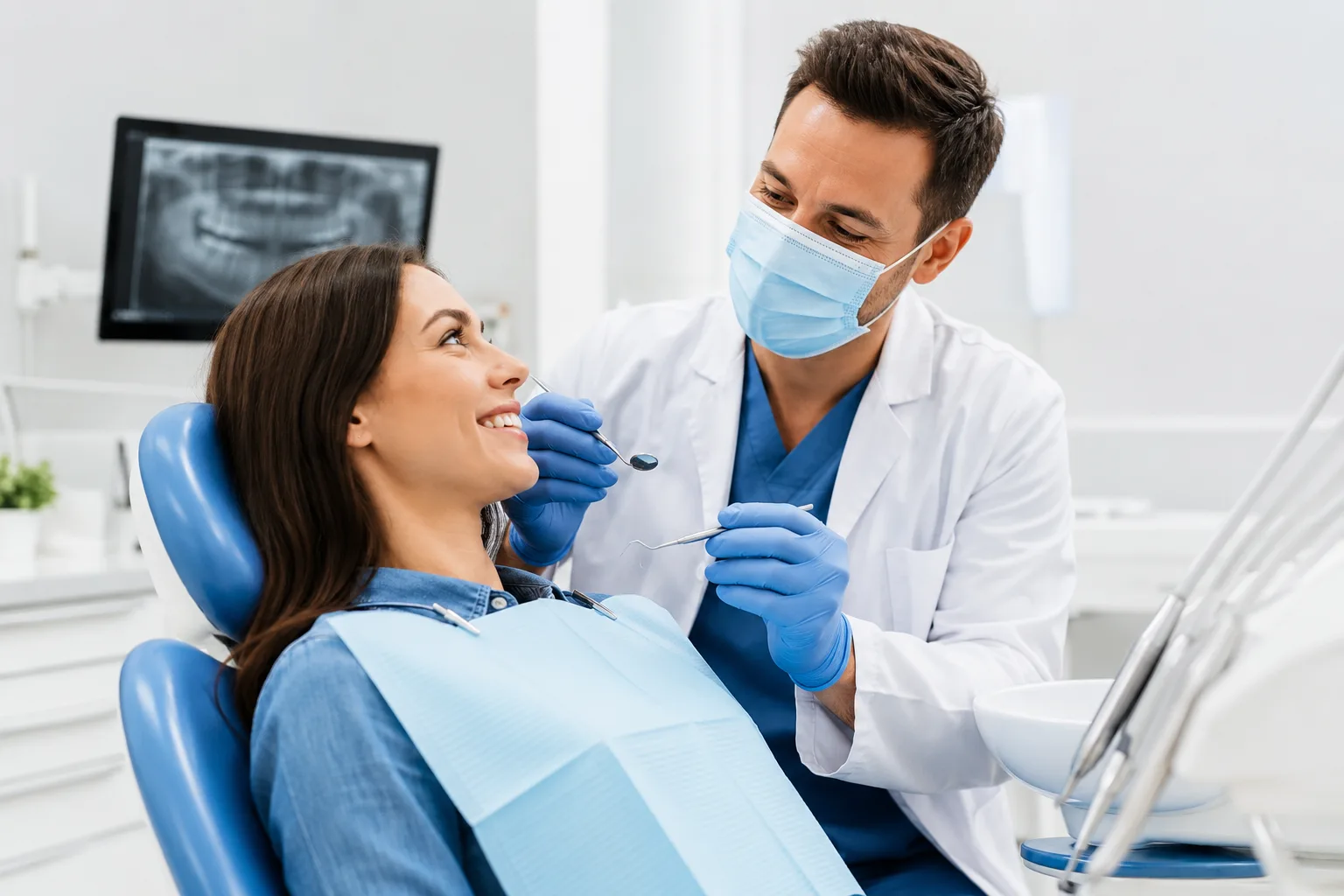
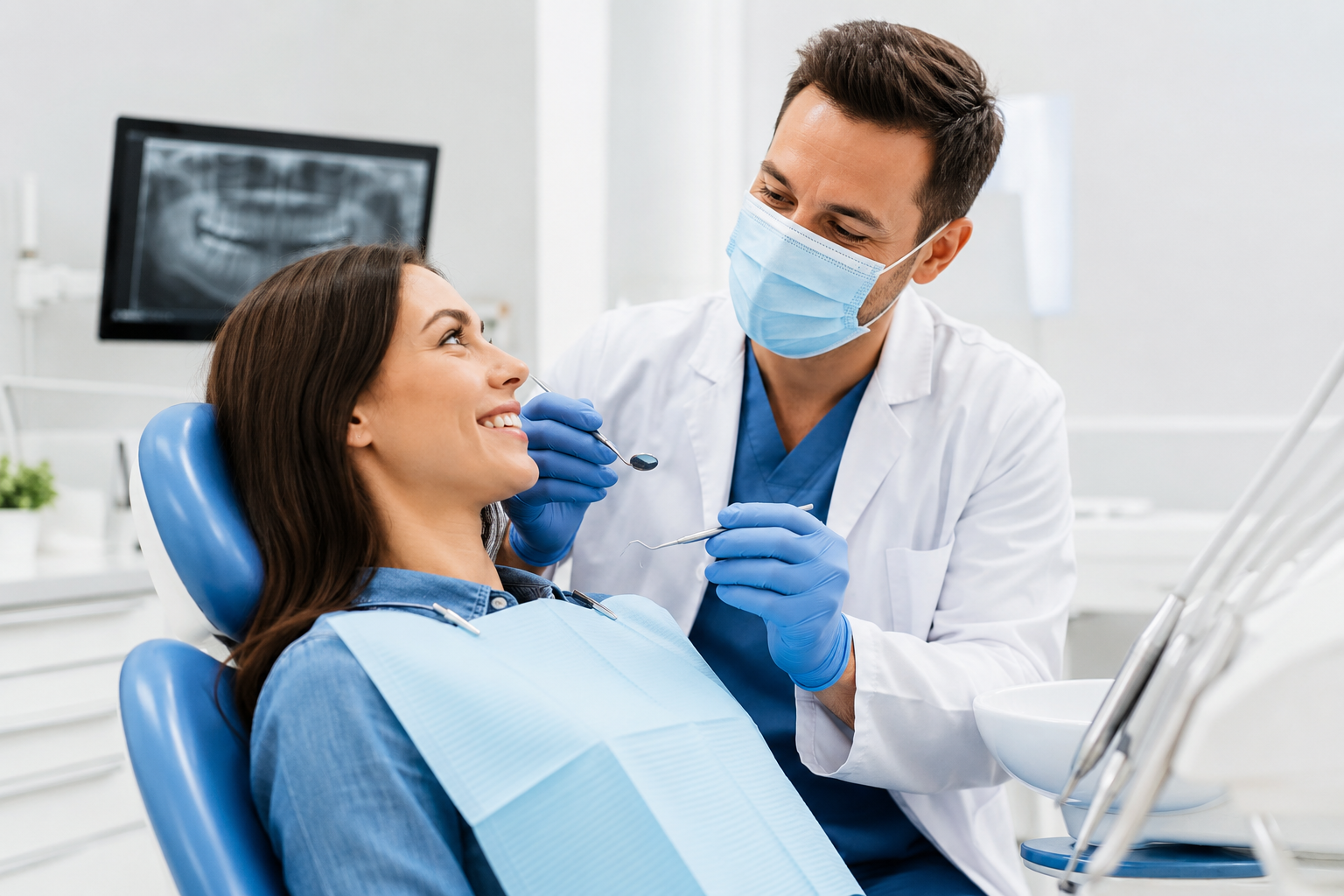
The process usually begins with a comprehensive evaluation. Depending on the patient’s needs, the dental team may review dental and medical history, examine the teeth and gums, evaluate the bite, and collect photographs, X-rays, or a digital scan. These records help the clinician identify what needs to move and whether aligners are a reasonable option.
A treatment plan is then created to map the intended tooth movements. Some patients may need small tooth-colored attachments placed on certain teeth. These attachments give the trays additional grip for selected movements. Not every case requires the same features.
The patient wears each tray according to the clinician’s instructions and returns for monitoring. These visits let the dental team check whether the teeth are tracking as planned. If progress differs from the original projection, another scan or additional trays may be recommended.
Once active tooth movement is complete, retainers are commonly prescribed to help maintain the new positions. Retention is a separate and important phase of care; finishing the last aligner does not mean teeth will remain in place without follow-up.
Who May Be a Candidate for Clear Aligners?
Clear aligners may be considered for concerns such as crowded teeth, spaces between teeth, or certain bite irregularities. Suitability depends on much more than how the front teeth look. A clinician also considers the roots, jaw relationship, gum support, existing dental work, and the type of movement required.
A patient may be a good candidate when:
- The teeth and gums are healthy enough to begin orthodontic movement.
- The alignment concern can be managed predictably with the selected system.
- The patient is willing to wear and care for the trays as directed.
- The patient can attend monitoring appointments and communicate concerns.
- Any needed preventive or restorative care has been addressed first.
Aligners may not be the most appropriate stand-alone choice for every complex bite or jaw problem. Clear aligners have even been described as part of carefully coordinated surgical orthodontic treatment, but such cases require detailed evaluation and specialist planning—not do-it-yourself care or assumptions based on appearance alone. A published example of this type of complex care can be reviewed through the National Library of Medicine.
What Daily Life With Aligners Is Like
Wearing the trays
Clear aligners work only while they are in the mouth. The dentist will provide a daily wear schedule based on the system and treatment plan. Patients generally remove their trays for eating, drinking anything that could stain or damage them, and completing oral hygiene.
Because the trays are removable, consistency is essential. Frequently leaving them out can interfere with the planned progression. A storage case is useful because aligners wrapped in a napkin can easily be lost or thrown away.
Eating and drinking
One practical benefit of removable aligners is that there are usually fewer food restrictions than with fixed braces. Patients remove the trays before meals rather than attempting to eat around wires and brackets.
Teeth should be cleaned before the aligners go back in whenever practical. Returning a tray over food debris or sugary residue can keep that material against the teeth. Water is generally the simplest drink while the trays are being worn, but patients should follow the specific instructions provided by their dental team.
Cleaning aligners
Trays should be cleaned using the method recommended by the provider. Very hot water should be avoided because heat may distort the material. Toothpaste can also be too abrasive for some aligners, leaving a cloudy or scratched appearance.
Cleaning the trays does not replace brushing and flossing. Good daily hygiene and preventive dental visits remain important throughout orthodontic treatment.
Comfort and speech
A new tray may feel snug, particularly when it is first inserted. Some patients also notice temporary changes in speech while the tongue adjusts to the tray. Any sharp edge, persistent sore area, unexpected bite change, damaged tray, or significant discomfort should be reported to the provider rather than managed by changing the treatment schedule without guidance.
Clear Aligners Compared With Traditional Braces
Neither option is universally better. The right choice depends on the clinical problem and the patient’s priorities.
Clear aligners may appeal to patients who value a discreet appearance, want to remove the appliance during meals, and are comfortable taking responsibility for consistent wear and tray care.
Traditional braces stay attached to the teeth, so patients do not need to remember to put them back in. Fixed appliances may also be preferred for certain tooth movements or complex cases, although only an examining clinician can recommend the appropriate method.
Patients comparing the two should ask about expected limitations, monitoring, oral hygiene, retention, and the possibility of adjustments to the original plan. Appearance is important, but predictability and oral health should guide the final decision.
How Long Does Treatment Take?
There is no single clear aligner timeline that applies to everyone. Treatment length depends on the starting position of the teeth, the complexity of the bite, the movements being attempted, and how closely the trays are worn as prescribed.
Minor cosmetic movement and comprehensive bite correction are not equivalent treatment plans. Additional trays may also be needed if the teeth do not track as projected or if treatment goals change. Rather than relying on a general online estimate, patients should request a personalized timeline after the dentist reviews appropriate records.
It is also helpful to separate active treatment from retention. Active treatment moves the teeth; retainers help maintain the result afterward. The provider should explain both phases before care begins.
What Affects the Cost of Clear Aligners in Santa Maria?
The cost of clear aligner treatment can vary substantially. A simple case involving limited movement may be priced differently from comprehensive orthodontic care.
Common cost factors include:
- The complexity and extent of tooth movement
- The aligner system selected
- The records and diagnostic imaging required
- The number of planned or additional trays
- Professional monitoring appointments
- Attachments or other treatment features
- Retainers and post-treatment follow-up
- Dental insurance benefits, when applicable
Before committing, patients should request a written estimate explaining what is included. It is useful to ask whether the quoted fee covers diagnostic records, refinements, replacement trays, retainers, and follow-up care. Insurance coverage and financing arrangements vary, so benefits should be confirmed directly rather than assumed.
Questions to Ask at a Clear Aligner Consultation
A consultation should provide more than a quick look at the front teeth. Patients can use the appointment to understand the diagnosis, available options, and responsibilities involved.
- Which clear aligner system does the practice use?
- What concerns can aligners reasonably address in this case?
- Are there oral health issues that should be treated first?
- Would braces or an orthodontic referral offer any advantages?
- Will attachments or other auxiliary features be needed?
- How will progress be monitored?
- What happens if a tray is lost, damaged, or no longer fits?
- What is included in the treatment estimate?
- What type of retainer will be recommended afterward?
A trustworthy plan should explain both benefits and limitations. Patients should feel comfortable asking questions before making a decision.
Frequently Asked Questions
Are clear aligners the same as Invisalign?
No. Invisalign is one brand within the broader category of clear aligner treatment. Other professional systems use similar removable-tray concepts but may differ in materials, software, features, and treatment protocols.
Does Orcutt Hills Dental Studio offer Invisalign?
The practice’s current service information describes Beyond Aligners. Patients looking specifically for Invisalign in Santa Maria, CA should contact the office to confirm current options and discuss whether the available clear aligner system meets their needs.
Can patients eat while wearing clear aligners?
Patients are typically instructed to remove aligners for meals and most drinks other than water. They should follow their provider’s directions because recommendations can vary by appliance and treatment plan.
Can clear aligners fix every bite problem?
No orthodontic appliance is appropriate for every case. Some concerns may need fixed braces, additional techniques, specialist care, or treatment involving the jaws as well as the teeth. An in-person examination is necessary to determine the options.
What happens if an aligner is lost?
The patient should contact the dental office promptly. Depending on the treatment stage, the clinician may recommend using a previous tray, moving forward, or ordering a replacement. Patients should not improvise without professional instructions.
Will retainers be needed after treatment?
Retainers are commonly recommended after orthodontic tooth movement because teeth can shift over time. The type of retainer and wear schedule should be discussed as part of the original treatment plan.
Explore Clear Aligners in Santa Maria, CA
Clear aligners can offer a discreet, removable approach to straighter teeth, but successful planning begins with a careful dental evaluation. The right question is not simply whether Invisalign or another brand is popular—it is whether a professionally supervised system is appropriate for the patient’s oral health, bite, goals, and routine.
Orcutt Hills Dental Studio welcomes patients seeking clear aligners in Santa Maria, CA. A consultation gives the dental team an opportunity to examine the smile, explain the available system, discuss realistic expectations, and answer questions about comfort, cost, monitoring, and retention. Patients ready to learn more can contact the practice to schedule a personalized conversation.